Exploring Circular Economy Insights: A Path to Sustainable Living in Mauritius
The idea of a circular economy is gaining momentum worldwide, and for good reason. It offers a fresh way to think about how we use resources, reduce waste, and support local communities.
Living in Mauritius, surrounded by vibrant culture and natural beauty, we have a unique opportunity to embrace this model. It’s about more than just recycling - it’s about rethinking how we make, use, and reuse products to create a sustainable future.
What Is a Circular Economy? Circular Economy Insights
At its core, a circular economy is a system designed to keep resources in use for as long as possible. Instead of the traditional "take-make-dispose" approach, it encourages us to reduce waste, reuse materials, and recycle products. This means designing products that last longer, repairing items instead of throwing them away, and finding new uses for old materials.
For example, local artisans in Mauritius can use discarded wood or fabric to create beautiful, handcrafted items. This not only reduces waste but also supports the local economy by providing jobs and preserving traditional skills. It’s a win-win situation.
Here are some key principles of the circular economy:
Design out waste and pollution: Products are made to be durable and easy to repair.
Keep products and materials in use: Through reuse, repair, and recycling.
Regenerate natural systems: Supporting practices that restore the environment.
By adopting these principles, we can reduce our environmental footprint and build a more resilient economy.

Practical Ways to Embrace Circular Economy Insights in Daily Life
You might wonder how to start living circularly in your daily routine. The good news is, small changes can make a big difference. Here are some practical tips:
Shop smart
Choose products made from recycled or sustainable materials. Support local artisans who use upcycled goods.
Repair and upcycle
Instead of discarding broken items, try fixing them or turning them into something new. For example, old clothes can become bags or cushion covers.
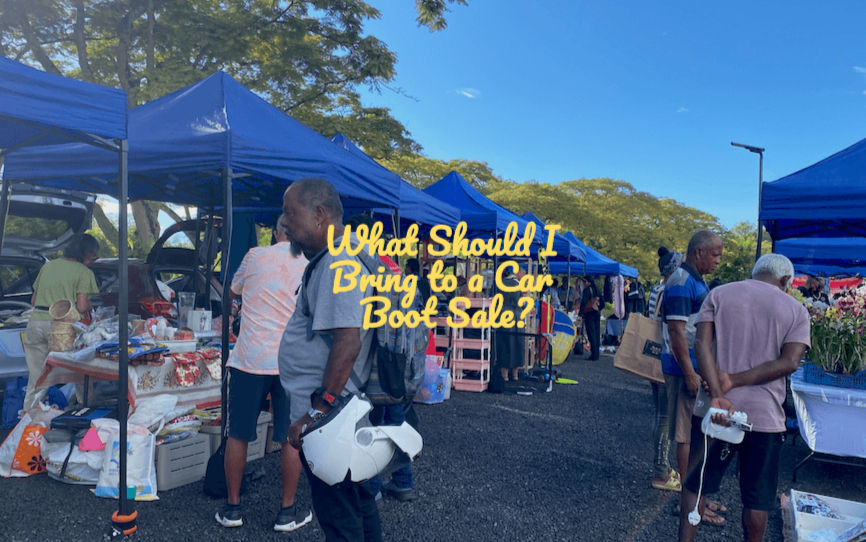
Participate in car boot sales
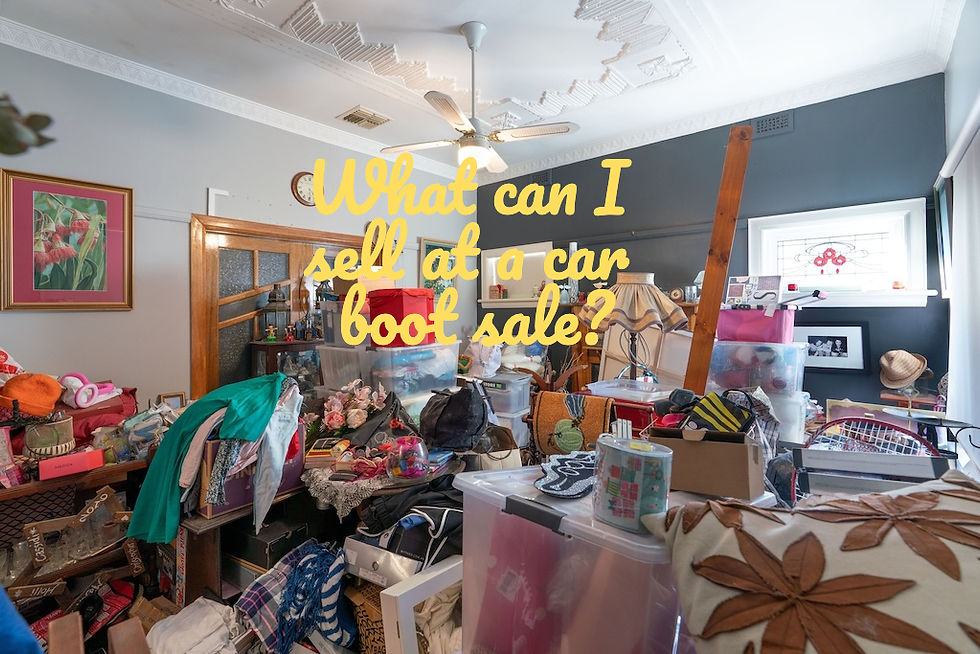
These events are perfect for buying and selling second-hand goods. They help keep items in circulation and reduce waste.
Compost organic waste
Turn food scraps into nutrient-rich compost for your garden.
Borrow or share
Tools, appliances, and other items can be shared within communities to reduce the need for new purchases.
By incorporating these habits, you contribute to a thriving circular economy that benefits everyone.

How Local Artisans Can Thrive in a Circular Economy
Local artisans are the heart of Mauritius’ cultural and economic landscape. Embracing circular economy principles can empower them to innovate and grow sustainably. Here’s how:
Use sustainable materials
Artisans can source materials that are renewable or recycled, reducing environmental impact.
Create modular designs
Products designed for easy repair or upgrade extend their lifespan.
Collaborate with other artisans
Sharing resources and skills can lead to new ideas and reduce costs.
Educate customers
Highlighting the benefits of circular products encourages buyers to value sustainability.
For instance, a craftsperson might transform discarded coconut shells into decorative items or jewelry. This not only reduces waste but also adds unique value to their products.
Supporting local artisans who embrace these practices helps preserve cultural heritage while promoting environmental responsibility.
The Role of Community Events in Promoting Circular Economy
Community events like car boot sales and upcycling workshops are fantastic ways to bring people together around the circular economy. They create spaces where residents can exchange goods, learn new skills, and support local businesses.
Car boot sales
These markets allow people to sell items they no longer need. It’s a fun, social way to extend the life of products.
Upcycling workshops
Hands-on sessions teach participants how to transform old items into something useful or beautiful.
Educational talks and fairs
Sharing knowledge about sustainability encourages more people to get involved.
These events also help build a sense of community and shared responsibility for the environment. They are perfect for anyone looking to make a positive impact while enjoying local culture.
Building a Sustainable Future Together
Embracing a circular economy is not just about individual actions. It’s about creating a movement that supports sustainable trade, empowers local artisans, and protects our beautiful island. By regularly organizing car boot sales, encouraging upcycling, and promoting eco-friendly practices, we can make a real difference.
Imagine a Mauritius where waste is minimized, local crafts flourish, and communities thrive. This vision is within reach if we all play our part. Start small, stay curious, and share what you learn with others. Together, we can build a circular economy that benefits people and the planet.
Let’s take this journey step by step, celebrating every success along the way. After all, sustainability is a shared adventure - and it’s one worth embracing.
Thank you for exploring circular economy insights with me. I hope you feel inspired to take action and support this exciting movement in Mauritius. Remember, every choice counts!